
REC TwinPeak 5 Black Series: what you get, what to check, and how to choose the right system
If you’re searching REC TwinPeak 5 Black Series, you’re probably weighing up two things: a clean all-black look and a panel brand with a strong reputation.
This guide is for Australian homes and Australian power bills. It covers what to look for in the spec sheet, how to compare quotes, and when adding a battery makes sense.
What is the REC TwinPeak 5 Black Series?
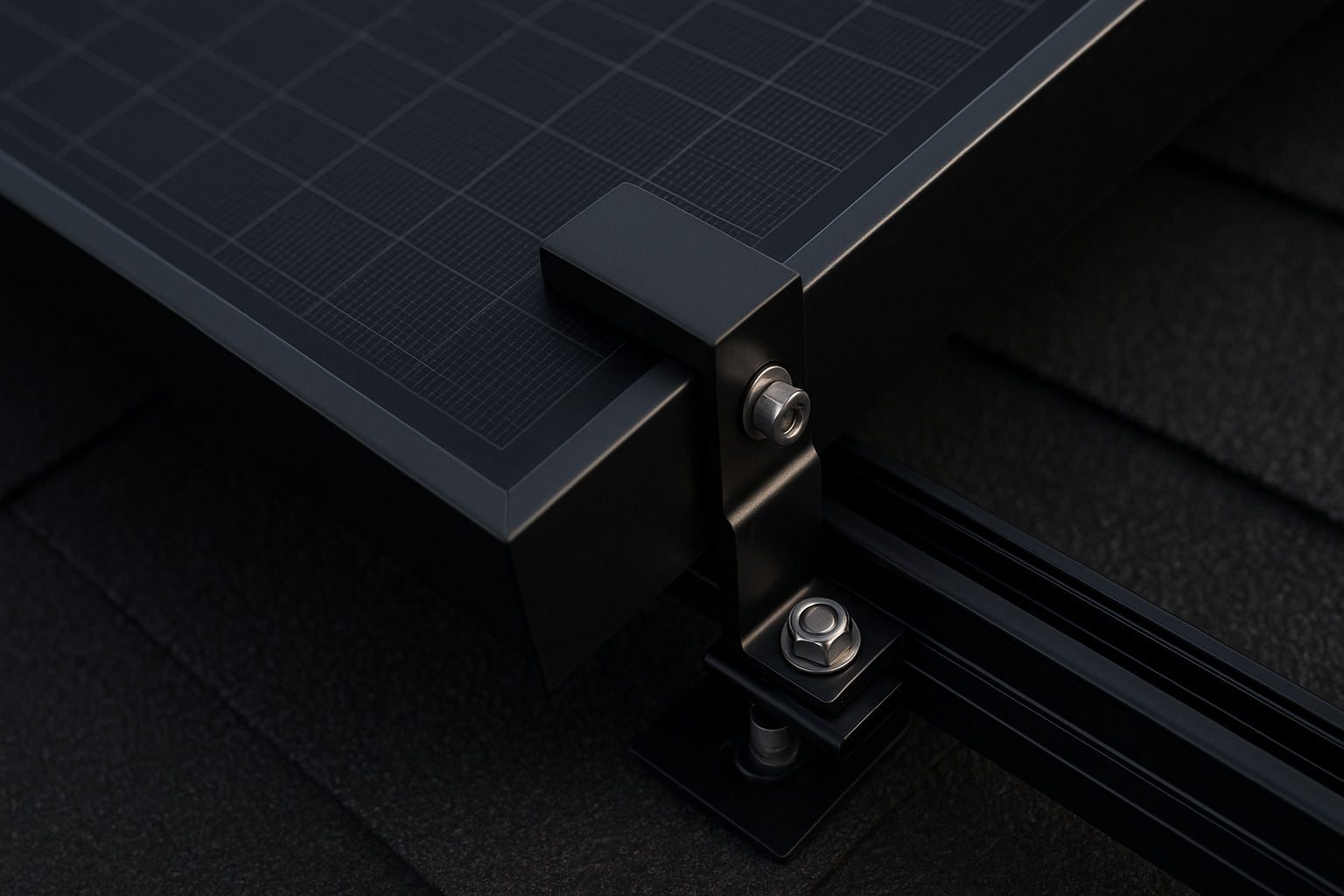
A quality install is as much about mounting and layout as the panel brand.
REC TwinPeak 5 is a family of REC PV panels used on residential and light commercial installs. The Black Series is the all-black finish option many homeowners choose for street appeal.
You’ll see different search terms online, including REC TwinPeak 5, REC TwinPeak 5 Black Series, and REC solar TwinPeak 5 Black. People usually mean the same thing.
The practical step is simple: confirm the exact model code and wattage on your quote.
Why the “TwinPeak” design matters
TwinPeak is REC’s approach to splitting the panel into two electrical sections.
For you, that can help in real roof layouts where:
- one corner of a panel gets shade from a vent, antenna, or tree
- shade moves across part of the array during the day
It won’t fix heavy shade across the whole array. If your roof is shaded most afternoons in winter, design choices matter more than the panel label.
How to read an REC spec sheet (without getting lost)
If you’ve asked for a REC 410 spec sheet (or any other wattage), you’re on the right track. A datasheet is where you check whether the panels match the inverter, the roof, and Australian conditions.
Here’s what to look for on REC twin peak solar panels and other REC PV panels.
1) Dimensions and weight
This affects roof fit, panel spacing, and how tidy the layout looks.
Ask your installer:
- How many panels fit on each roof face?
- Will the layout be symmetrical?
- Do vents, skylights, whirlybirds, or valleys force gaps?
2) Electrical ratings (so the inverter matches)
Key terms you’ll see on the REC datasheet:
- Voc (open-circuit voltage) and Isc (short-circuit current)
- Vmp/Imp (voltage/current at maximum power)
These numbers matter because panels must stay within the inverter’s string voltage and current limits in hot and cold weather.
If your quote lists panels but not the inverter model, it’s not complete.
3) Temperature coefficient (how heat affects output)
Australian roofs run hot. Solar panel output drops as temperature rises.
A better temperature coefficient helps. Still, don’t get stuck on one line item. The following often make a bigger difference:
- airflow under the panels
- avoiding cramped layouts
- correct inverter sizing and string design
4) Warranty terms and support in Australia
A long warranty only helps if there’s a clear path for support.
On your quote, ask for:
- the product warranty period
- performance warranty terms
- who manages the claim process (installer vs manufacturer)
Choosing the right system size for REC TwinPeak 5 Black Series
The right panel is the one that’s part of a system sized to your usage.
In Australia, many homes land around:
- 6.6 kW (a common sweet spot for roof fit and value)
- 8–10 kW (higher daytime use, larger families, EV charging, pool pumps)
Your best starting point is your electricity bills.
When we size a system, we look at:
- daily and seasonal usage
- daytime vs night-time usage (this changes whether a battery stacks up)
- export limits and your feed-in tariff (FIT)
- single-phase vs three-phase supply
FITs and network rules change over time. For most homes, the best designs focus on self-use first, then exports.
All-black panels: are they worth it?
If your roof faces the street, the all-black finish can look sharp.
A couple of trade-offs to know:
- All-black panels can run warmer, which can slightly reduce output.
- If roof space is tight, you may get a better result by prioritising layout and usable panel area over colour.
If you go all-black, aim for a clean overall finish: tidy cabling, consistent rail lines, and sensible spacing.
Upgrading from older REC panels (REC 255W and REC 280W)

Good quotes start with a clear design and the right site details.
We still hear from homeowners with older systems using REC 255W solar panels or REC 280 watt solar panels who want to expand.
A few things to keep in mind:
- Don’t assume you can add new REC TwinPeak 5 panels to the same string.
- Electrical characteristics differ, and that can reduce the output of the whole string.
- A common option is a separate string on a compatible inverter input.
If your inverter is older or undersized, an inverter upgrade may be the cleaner approach.
Quote checklist: what to ask for (so you can compare properly)
If you’re collecting REC solar panels installation quotes, ask each installer to include the following in writing.
Panels
- exact REC model code and wattage (not just “REC black panels”)
- number of panels and a layout plan
Inverter and monitoring
- inverter brand/model and warranty
- monitoring platform (and whether you can access it)
If you’re also comparing inverter brands, here’s the straight answer to a common question: which solar inverter brands are recognized for premium quality? In Australia, Fronius, SMA and SolarEdge are often seen as premium names. Hybrid-focused brands like Sungrow and Huawei are also common choices. The best inverter is the one that suits your roof, shading, phase supply, and battery plans.
Mounting and roof work
- mounting system brand
- roof type assumptions (tile, tin, Colorbond)
- allowance for broken tiles or roof repairs if needed
Electrical and compliance
- switchboard upgrades (if required)
- metering steps (your network/retailer requirements)
- CEC-accredited installation
After-sales support
- who you call if the system trips or faults
- what the workmanship warranty covers
If a quote is missing half of this, it’s hard to judge value.
Should you add a battery with REC TwinPeak 5 Black Series?

If you want backup power, match the panel system to the right inverter and battery.
A battery is usually worth considering if:
- you use a lot of power at night (cooking, heating/cooling, shift work)
- you want backup during outages
- your FIT is low and you export a lot of solar during the day
A battery is often harder to justify if:
- the home is empty most weekdays
- night-time usage is low
If you’re weighing up options, these guides can help:
- Hybrid Solar Systems Explained (How They Keep You Powered 24/7)
- Off-Grid Solar Systems vs Hybrid Solar: Which Is Right for You?
Off-grid question: “Can you recommend a good battery for my off-grid setup?”
For off-grid, the battery is only one piece of the puzzle.
We’ll ask you:
- what you need to run overnight (kWh)
- your biggest loads (kW) like pumps, welders, air con
- how many cloudy days you want to ride through
- whether you want generator backup and auto-start
From there, we can recommend an off-grid layout that suits your site and Australian conditions.
REC Energy and real-world performance: what actually matters
Many people search REC Energy while researching REC twinpeak panels.
Here’s the practical truth: panel quality matters, but the end result depends on the full system design and install.
Real-world factors that change performance:
- shade at certain times of day
- roof direction (north vs east/west splits)
- ventilation under panels
- inverter sizing and string design
- your household load profile
So if two quotes use the same REC TwinPeak 5 Black Series, the better design and install still wins.
Next step: get a quote based on your roof
If you want a design that matches your usage (not a generic template), we can help.
Send us:
- your last bill (or 12 months if you have it)
- your address or postcode
- a few roof photos (or we can organise a site visit)
- notes on shade, split-system air con, pool pumps, or EV charging
We’ll come back with a clear design and an itemised quote that lists the exact REC PV panels model and inverter.
CTA: See REC solar panels and request a quote
Rebates and paperwork (quick note)
STCs and state programs can reduce out-of-pocket cost. Rules and values change, so treat online numbers as a guide.
If you want a plain-English overview, read: Australian Federal Government solar rebate (how STCs work)

Shade and roof obstacles are common—design around them early.
FAQs
Are REC TwinPeak 5 Black Series panels good for homes near the coast?
Yes, as long as the system is designed and installed for coastal conditions. Install quality often matters most: corrosion-aware mounting choices, tidy cable runs, and correct roof penetrations.
What’s the difference between REC PV panels and other brands?
REC has a strong reputation for consistency and warranty backing. Still, the brand is only part of the story. You want the right system size, correct wiring, and an installer who supports you after commissioning.
Can I run my whole house on solar at night with these panels?
Panels don’t produce at night. For night-time use, you’ll rely on the grid, a battery, or an off-grid system. If night-time running is a priority, look at a hybrid system with a battery sized to your evening loads.
Do I need microinverters for REC TwinPeak 5 Black Series?
Not always. Microinverters or optimisers can help on shaded roofs or complex layouts. A well-designed string inverter system can also work very well on clear, simple roofs.
Can you install REC solar panels in Byron Bay and surrounding areas?
Yes. If you’re local, start here: Solar panels in Byron Bay. If you’re adding storage as well, see: Solar batteries in Byron Bay.