
Solar Panel Installation Design Ideas 2026 for Byron Bay, Northern Rivers, and Tamworth
Rising power bills and occasional outages are driving more people in Byron Bay, Ballina, and Tamworth to consider solar. But designing a solar system for regional NSW isn’t just about putting panels on your roof. You need a setup that matches your energy use, weather conditions, export tariffs, and lifestyle. Most homes in these areas install systems around 6.6 kW with 5 kW inverters. If you plan to go off-grid or want backup for outages, your design will look very different.
This article helps you pick the right system size, type, inverter, and battery options based on where you live and your energy goals. You’ll learn practical solar panel installation design ideas 2026 that fit NSW’s unique climate and tariff landscape. By the end, you’ll have a clearer path for your solar setup tailored for Byron Bay, Northern Rivers, and Tamworth.
Quick Answers for Solar Panel Installation Design Ideas 2026
Best for: Homeowners and small businesses in regional NSW seeking reliable bill control and power backup
Not ideal for: Those wanting a purely off-grid system without a proper battery or backup plan
What it costs/depends on: Typical systems cost from $4,000 for 3 kW to above $12,000 for 10 kW (subject to site conditions, rebates, and battery inclusion)
Recommended for NSW/Byron Bay: A 6.6 kW solar array with a 5 kW hybrid inverter, paired with a 10-15 kWh battery if storage fits your budget
What System Type Suits Your NSW Home or Business?
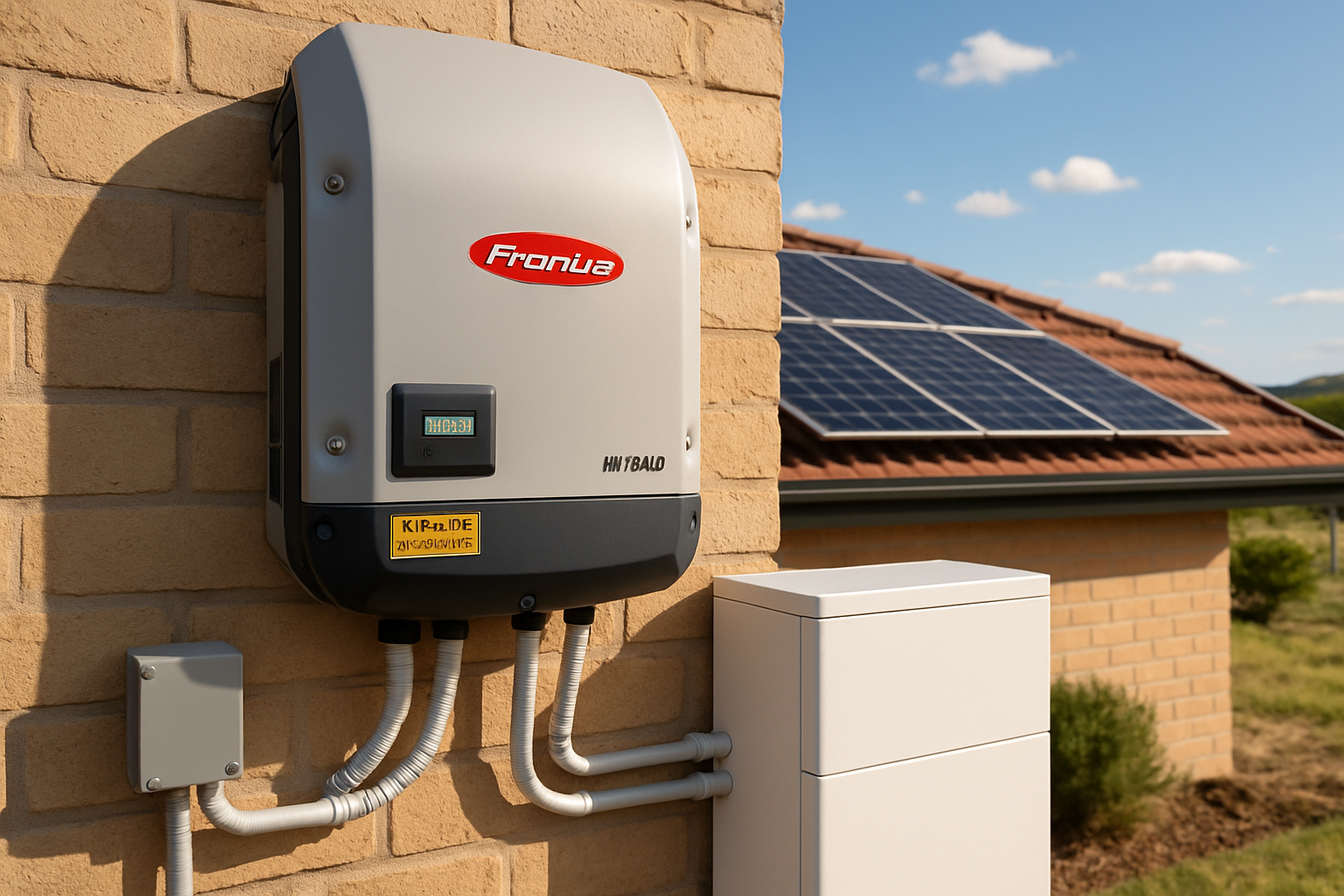
Grid-Tied, Hybrid, or Off-Grid: What’s Right for You?
If you have a reliable grid connection, grid-tied or hybrid systems usually make the most sense. Grid-tied systems use the energy retailer’s network as backup. A hybrid system adds battery storage, letting you store excess solar power to use at night or during outages.
If your property is remote with unreliable or no grid connection, an off-grid solar system with a significant battery bank and backup generator is essential. Off-grid solar tamworth properties often require larger batteries to cover cloudy days and nighttime loads.
Ask yourself:
- Do you want blackout backup or just lower bills?
- How much power do you use at night?
- Is your grid connection steady and affordable?
Hybrid systems are becoming the sweet spot for many. They let you export excess power when you can and draw from batteries after sunset. If you want to go fully independent, an off grid solar battery bank sized for your worst week—not just the average day—is necessary.
How Big Should Your Solar System Be?
Solar System Size for a Typical Byron Bay or Northern Rivers Home
Most households in Byron Bay or Ballina install systems from 5 kW to 10 kW. Smaller systems (3–5 kW) suit those who use less power or want a low-cost entry. Larger homes and small businesses often need 7–10 kW.
Consider your daily electricity use, roof space, and orientation. A 6.6 kW system with a 5 kW inverter covers typical household loads well and fits most roofs. If you use a large heat pump, electric hot water, or run tools/business gear, bigger systems of 8–10 kW are worth considering.
Roof Orientation and Space: What Works Best?
In Byron Bay and Northern Rivers, north-facing roofs provide the best solar yield, but east and west-facing roofs can work too with slightly larger arrays. Check for shading from trees or nearby buildings, which can reduce output.
If your roof space is limited, consider solar panels with higher efficiency, like Trina solar panels, which perform well in heat and have strong Australian warranties.
Choosing the Right Solar Inverter for Your Design
Why Inverter Choice Matters in NSW
The inverter is the brain of your solar system, converting DC from panels to AC power for your home. Your choice affects performance, reliability, and integration with batteries.
If you plan for battery storage, pick a battery-ready or hybrid inverter upfront. Fronius solar inverter models are popular here. They hold solid reputations for heat tolerance and excellent warranty support in Australia.
Best Solar Inverters for Regional NSW
- Fronius solar inverters: Good balance of performance, battery integration, and monitoring features (see Fronius Inverter Guide (AU)).
- Hybrid inverters: Ideal if adding batteries now or later with smooth backup options (see Fronius Hybrid Inverter Guide (AU)).
Your inverter must handle single or three-phase power depending on your supply. Most homes in Byron Bay and Tamworth are single-phase, but some small businesses might need three-phase setups.
Should You Add Solar Batteries in 2026?
What Does Battery Storage Add?
Batteries store excess solar power for use when the sun isn’t shining. They help reduce your grid dependency and can provide backup during outages. Battery size depends on how much night or emergency power you want.
Battery Types and Options Locals Use
- Sonnen solar battery: Trusted for quality and Australian support (see our Sonnen Batterie Australia Guide).
- Off grid solar battery: Needed for full off-grid systems in Tamworth or bush blocks—requires careful sizing and planned backup solutions (see the Offgrid Battery Power Guide (AU)).
- Hybrid solar system: Combines solar, battery, and grid, offering flexibility and peak shaving benefits (explained further in Freedom Energy Solutions guide).
If your household uses most power at night, batteries usually make sense. If you export a lot of solar during the day, payback depends on feed-in tariffs (FITs) and usage.
Solar Panel Maintenance Tips and Schedule for Longevity
Proper maintenance keeps your solar system efficient and durable. Coastal conditions around Byron Bay and Ballina can speed up wear if salt or debris accumulates.
Here’s a simple maintenance checklist:
- Clean panels every 6–12 months to remove dust and bird droppings.
- Inspect inverters and battery systems annually to check connections and ensure error-free operation.
- Schedule professional checks every 2-3 years for detailed system health and warranty compliance.
Establish a maintenance schedule to avoid issues and protect your investment. Learn more about solar panel maintenance tips and schedule.
What About Feed-in Tariffs and System Payback?
The feed-in tariff (FIT) is what your energy retailer pays for the solar power you export. FITs vary—typically from 6 to 14 cents per kWh in NSW—but you should check your local rates and rules as they can change.
Systems sized around your household consumption, like 6.6 kW with a 5 kW inverter, often balance export and self-consumption well. If you export most solar, the payback leans on FITs and system costs.
Local Conditions Impact Your Design
- Byron Bay and Northern Rivers: Higher humidity and salt air may mean corrosion-resistant hardware and tight maintenance schedules.
- Tamworth: Drier, but with summer heat spikes needing inverters and panels rated for high temperatures.
- Ballina: Similar to Byron Bay, requires microclimate-specific system orientation and cabling considerations.
Do You Need Off Grid Solar Tamworth Style?
If you’re outside reliable grid reach, an off grid solar battery system designed for your worst energy days is crucial. That often means 10–20 kWh or more battery storage, backup generator input, and three-phase inverters if your loads run heavy machinery.
Off-grid system design is more complex and costly. It’s worth talking to specialists who understand local pricing, import/export logistics, and compliance.
FAQ: Solar Panel Installation Design Ideas 2026
What size solar system suits a 4-bedroom home in Byron Bay?
Most 4-bedroom homes need 6–8 kW solar systems. This range covers typical appliances, lighting, pumps, and air conditioning comfortably. If you use electric heating or a workshop, consider 8–10 kW.
Can I add batteries to my existing solar system?
Yes. Many inverters are battery-ready now. If yours isn’t, you might need a hybrid inverter replacement. Adding batteries can improve bill control and provide backup power.
How do solar inverters affect system performance?
Your inverter converts solar energy for home use and manages energy flows between panels, battery, and grid. Good inverters like Fronius models withstand Australian heat and offer advanced monitoring and warranty support here.
What’s the best battery for residential solar in Northern Rivers?
Popular brands like Sonnen offer reliable, supported battery systems designed for Australian conditions. Battery sizing depends on how much power you want after sunset.
How often should I clean and maintain my solar panels?
Panels generally benefit from cleaning every 6–12 months. Coastal dust and salt need more frequent attention. Inverters and batteries should be checked annually by a professional.
Your Next Steps for Solar Panel Installation Design 2026
- Estimate your average daily energy use and peak demand.
- Choose a system type: grid-tied, hybrid, or off-grid.
- Consider solar panel brands like Trina, known for durability, and picking an inverter with strong Australian warranty like Fronius.
- Plan battery size based on night use and outage needs—battery-ready inverters help future upgrades.
- Set a maintenance schedule to extend system life, especially in harsh coastal or inland climates.
For a quick system size check from your satellite image and energy bills, contact us for a free consultation.
If you want clear advice on solar panels and batteries in Byron Bay or Tamworth, or options for hybrid and off-grid setups, see our detailed Freedom Energy Solutions solar, batteries, hybrid & off-grid guide.
Ready to get started? Book a free solar consultation with our local team today. We’ll help you design a system that suits your home, budget, and lifestyle.
This guide reflects typical solar panel installation design ideas 2026 for NSW regional areas. System sizes, costs, and tariffs may change. Get a tailored quote before decision-making.