
Are Solar Panels Actually Sustainable? A Realistic Look
You want to install solar to cut your bills and do your bit for the environment. But there’s a nagging question: are solar panels really that green?
It’s a fair point. Manufacturing anything uses energy and resources. So, what’s the real story behind solar panels' sustainability?
The short answer is yes, solar is a massive win for the environment. But their positive impact isn't instant. Think of it as a small 'carbon debt' from manufacturing that gets paid back quickly with clean energy.
Let’s break it down properly.
The Carbon Footprint of Making a Solar Panel

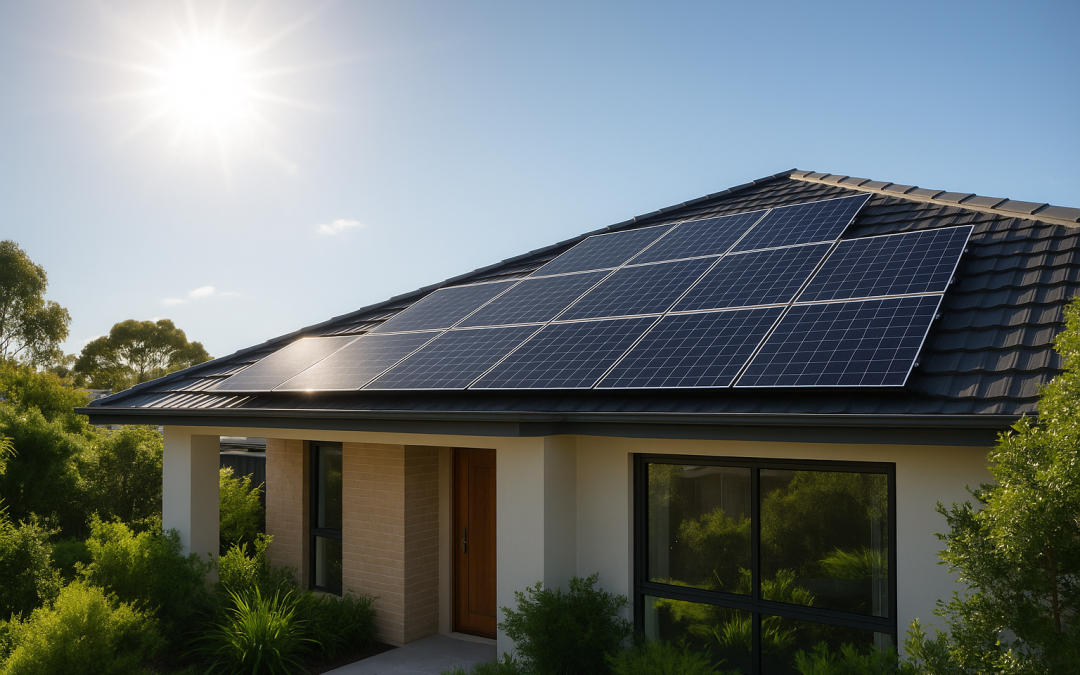
Modern solar panels are highly efficient, shortening their carbon payback period.
Let's be upfront: a solar panel doesn't appear from thin air. The process is energy-intensive and involves a few key stages:
- Mining & Materials: Quartz is mined to get high-purity silicon, the main ingredient in most panels. Glass, copper, and an aluminium frame are also needed.
- Processing: The silicon is melted at very high temperatures, purified, and then cut into ultra-thin wafers.
- Assembly & Shipping: The solar cells, glass, and frame are put together in a factory and shipped to Australia.
This entire process creates a carbon footprint. So, how do we measure if the environmental benefit outweighs this initial cost?
Energy Payback: How Solar Clears Its Carbon Debt

The key metric is the energy payback time (EPBT). This is the time it takes for a solar panel to generate the same amount of clean energy that was used to make and install it.
Here’s the great news for us in Australia: the payback time is incredibly short.
For a modern, high-efficiency panel, the EPBT is typically between 1 and 2 years.
Your panels have a performance warranty of at least 25 years and often last longer. This means they will spend over 90% of their life as a net energy producer, creating decades of clean power after their initial carbon debt is paid.
Once that debt is cleared, your system produces power with virtually zero emissions, zero water use, and zero air pollution. A standard 6.6kW residential system in NSW can offset around 8 tonnes of CO2 every year. That's like taking two petrol cars off the road, year after year.
What Happens to Solar Panels After 25 Years?

Adding a battery dramatically improves your home's energy self-sufficiency.
A genuine look at sustainability must include the end of the line. So what happens when your panels reach retirement?
This used to be a weak spot, but the industry is catching up fast. While not yet widespread at the kerbside, solar panel recycling is a growing sector in Australia. Specialist facilities can now recover up to 95% of the materials like glass, aluminium, and silicon from old panels. These materials can then be used to make new products, including new solar panels.
This 'circular economy' approach drastically reduces waste and the need for new raw materials, making the entire lifecycle of solar even cleaner.
A Truly Sustainable System is More Than Just Panels
To get the biggest environmental benefit, your entire setup needs to be smart and efficient. This is where quality components make all the difference, turning a good system into a great one.
1. The Role of a Quality Solar Inverter
The solar inverter is the brain of your operation. It converts the DC electricity from your panels into the AC electricity your home uses. A cheap, inefficient inverter can waste up to 10% of your clean energy as heat.
Choosing one of the best solar inverters in Australia ensures this conversion is almost lossless. High-efficiency models, like those from Sungrow, mean more of your free solar power actually runs your home. This helps pay back the system's carbon debt even faster.
2. Adding a Battery for 24/7 Clean Energy
Without storage, any extra solar power you generate is sent to the grid. At night, you have to buy power back—which often comes from coal and gas plants.
By pairing solar panels with batteries, you store your excess clean energy to use after sunset. These hybrid solar systems keep you powered on your own sunshine, dramatically reducing your reliance on fossil fuels around the clock.
3. Gaining True Independence with Off-Grid Solar
For properties in regional areas like Tamworth or the Byron hinterland, a full off-grid solar battery setup offers total energy freedom. More importantly, it can almost completely replace a diesel generator. This allows you to slash generator fuel costs, noise, and fumes—a huge win for both your wallet and the local environment.
The Verdict: A Smart Choice for the Planet and Your Pocket

Whether you’re a homeowner looking for solar Ballina or a business owner in Byron Bay, the answer is a clear yes. Solar panels are a cornerstone of a sustainable future.
Their initial carbon footprint is small and quickly repaid. For the next 25+ years, they provide clean energy that saves you money and reduces Australia’s reliance on fossil fuels.
With Australian Government solar rebates still available to reduce the upfront cost, there’s never been a better time to invest. A well-designed system, looked after with regular solar panel maintenance, is one of the most powerful moves you can make.
Ready to Invest in a Cleaner Future?
While no manufacturing process is perfect, the science is clear: the lifetime benefits of solar panels massively outweigh their initial environmental cost.
The energy payback is fast, the financial savings are real, and the positive impact on our planet is proven.
If you're ready to see how a custom solar and battery system could work for your home or business, we’re here to help. We design and install high-performance solar energy solutions built for Australian conditions.
Contact Freedom Energy Solutions today for a free, no-obligation quote and find out what’s possible for your property.
{“@context”:”https://schema.org”,”@graph”:[{“@context”:”https://schema.org”,”@type”:”BlogPosting”,”headline”:”Are Solar Panels Actually Sustainable? A Realistic Look”,”description”:”A practical look at the true sustainability of solar panels, from manufacturing and energy payback time to recycling. See how solar energy solutions reduce your footprint.”,”datePublished”:”2026-06-04T00:31:58.824Z”,”dateModified”:”2026-06-04T00:31:58.824Z”,”mainEntityOfPage”:{“@type”:”WebPage”,”@id”:”https://freedomenergysolutions.com.au/solar-panels-sustainability/”},”url”:”https://freedomenergysolutions.com.au/solar-panels-sustainability/”,”author”:{“@type”:”Person”,”name”:”FREEDOM ENERGY SOLUTIONS”},”image”:[“https://freedomenergysolutions.com.au/wp-content/uploads/2026/05/featured-1-17.png”],”publisher”:{“@type”:”Organization”,”name”:”FREEDOM ENERGY SOLUTIONS”,”logo”:{“@type”:”ImageObject”,”url”:”https://freedomenergysolutions.com.au/wp-content/uploads/2017/07/freedom-energy-large.png.webp”}}},{“@context”:”https://schema.org”,”@type”:”FAQPage”,”mainEntity”:[{“@type”:”Question”,”name”:”Are solar panels toxic or dangerous?”,”acceptedAnswer”:{“@type”:”Answer”,”text”:”No, modern solar panels are very safe. They are sealed units, and the materials inside (like silicon, glass, and aluminium) are stable and non-toxic during operation. Any hazardous materials used in manufacturing are handled in controlled factory environments.”}},{“@type”:”Question”,”name”:”What is the lifespan of a solar panel?”,”acceptedAnswer”:{“@type”:”Answer”,”text”:”Most quality solar panels come with a 25-year performance warranty and often continue to produce power for 30 years or more, though their efficiency gradually declines over time. The key components are designed to withstand harsh Australian conditions.”}},{“@type”:”Question”,”name”:”Is solar power better for the environment than wind power?”,”acceptedAnswer”:{“@type”:”Answer”,”text”:”Both are excellent renewable energy sources with very low carbon footprints. The best choice depends on the location. Solar is ideal for residential rooftops and sunny regions like ours in NSW, while wind is better suited for large-scale, open areas with consistent wind.”}},{“@type”:”Question”,”name”:”How can I make my solar system even more sustainable?”,”acceptedAnswer”:{“@type”:”Answer”,”text”:”To maximise your system’s positive impact, pair it with a solar battery to store and use your own clean energy at night. Also, choose a high-efficiency inverter to minimise energy loss, and follow simple maintenance routines to keep your panels performing at their best for decades.”}}]}]}
Recent Comments